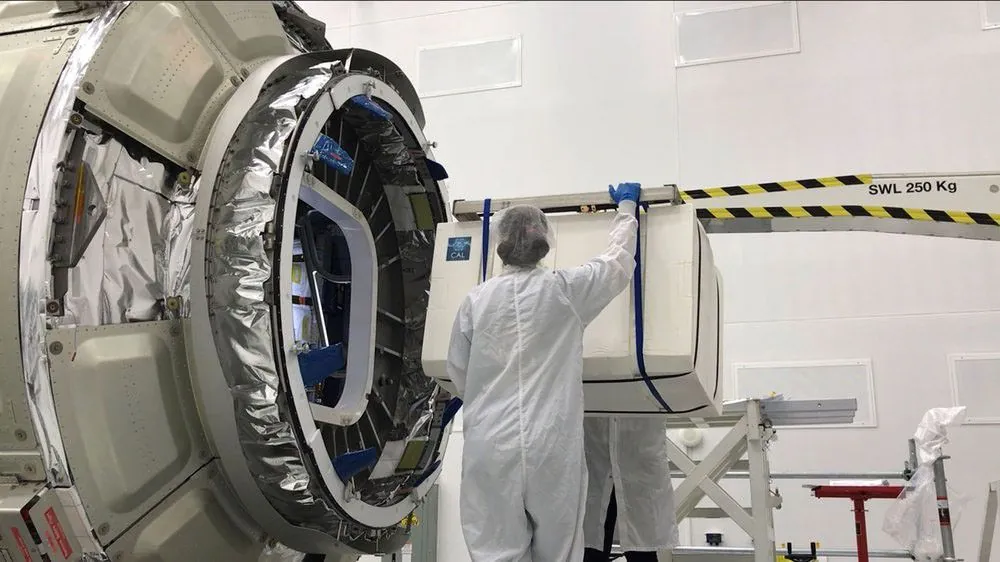
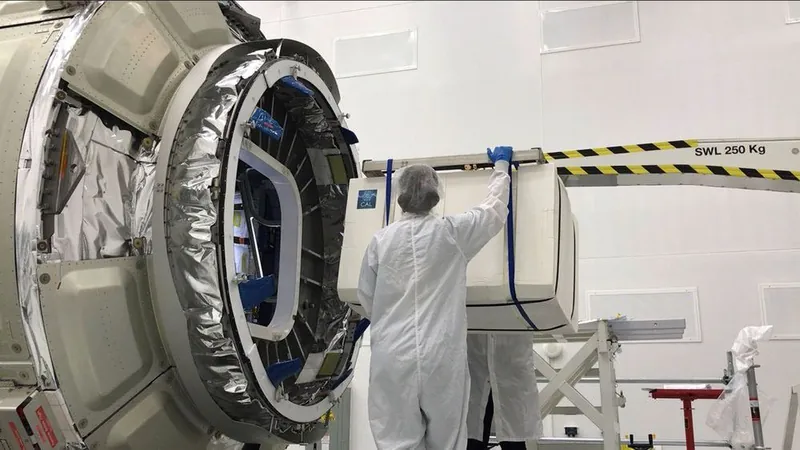
NASA scientists have successfully created the coldest spot in the known universe, supercooling atoms aboard the International Space Station in an effort to test a theory put forth by Albert Einstein but never proven.
The space agency installed a cold atom lab, a box the size of a small refrigerator, equipped with lasers used to manipulate atoms in microgravity in May. In July, they were able to create clouds of ultracold atoms – called Bose-Einstein condensates – that are described as a fifth state of matter that behave differently than solids, liquids, gasses and plasmas for the first time in orbit.
Read the full article on usnews.com
Explore More
6 min read
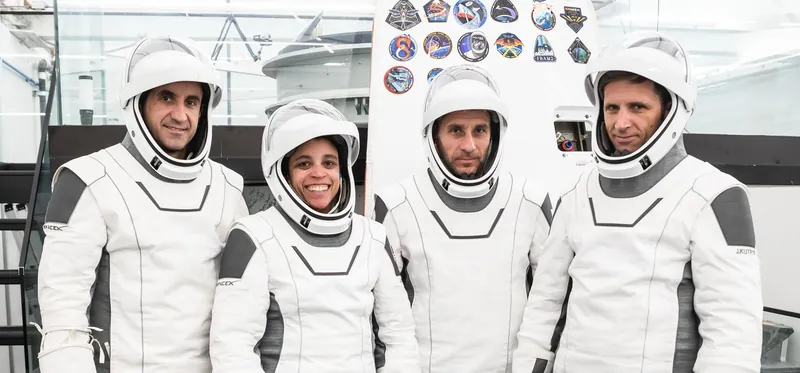
What You Need to Know About NASA’s SpaceX Crew-13 Mission
Four crew members are set to launch to the International Space Station as part of…
Article
4 days ago
5 min read
US-India Satellite Captures Time-lapse Video of Volcanic Eruption
Like tendrils on a vine, lava spreads out from the northern crater of Krasheninnikov, a…
Article
1 week ago
3 min read
Risks of Decompression Sickness and Venous Thromboembolism during Spaceflight and Patent Foramen Ovale Implications
NASA’s Office of the Chief Health and Medical Officer formed a working group in August…
Article
1 week ago
Keep Exploring
Discover More Topics From NASA
Missions
Humans in Space
Climate Change
Solar System
Source: NASA Science