2 min read
10 Things: Why Cassini Mattered
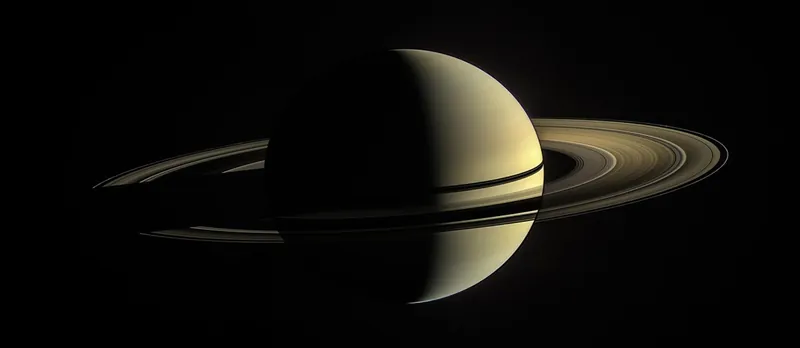
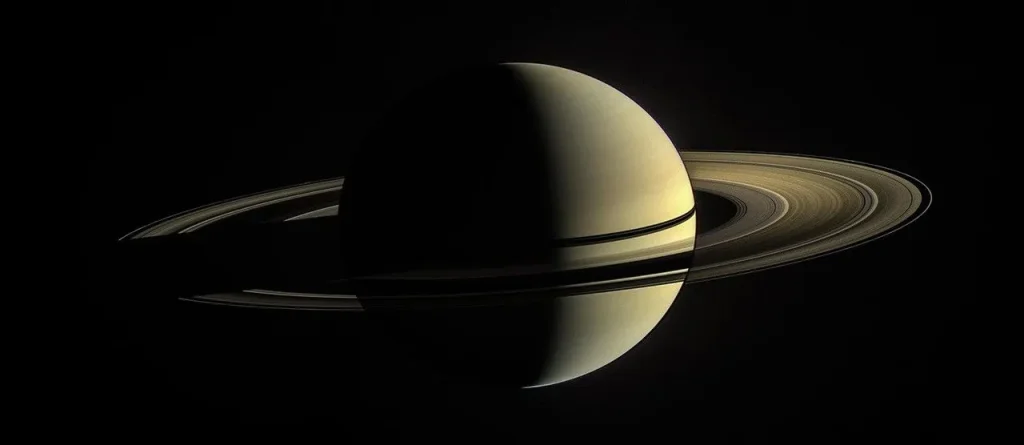
On Sept. 15, 2017, NASA’s Cassini spacecraft ended its epic exploration of Saturn with a planned dive into the planet’s atmosphere – sending back new science to the last second. The spacecraft is gone, but the science continues. Here are 10 reasons why Cassini mattered.
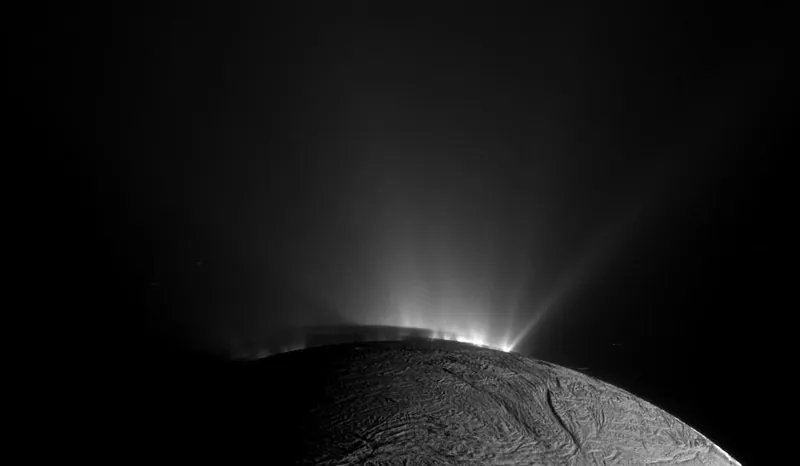
1. Game Changers
Cassini and ESA’s Huygens probe expanded our understanding of the kinds of worlds where life might exist.
2. A (Little) Like Home
The Cassini spacecraft and Huygens probe showed us one of the most Earth-like worlds we’ve ever encountered: Saturn’s largest moon – Titan. It has weather, climate, and geology that provide new ways to understand our home planet.
3. A Time Machine (In a Sense)
Cassini gave us a portal to see the physical processes that likely shaped the development of our solar system, as well as planetary systems around other stars.
4. The Long Run
The length of Cassini’s mission enabled us to observe weather and seasonal changes over nearly half of a Saturn year, improving our understanding of similar processes on Earth, and potentially those on planets around other stars.
5. Big Science in Small Places
Cassini revealed Saturn’s moons to be unique worlds with their own stories to tell.
6. Ringscape
Cassini showed us the complexity of Saturn’s rings and the dramatic processes operating within them.
7. Pure Exploration
Some of Cassini’s best discoveries were serendipitous. What Cassini found at Saturn prompted scientists to rethink their understanding of the solar system.
8. The Right Tools for the Job
Cassini represented a staggering achievement of human and technical complexity, finding innovative ways to use the spacecraft and its instruments, and paving the way for future missions to explore our solar system.
9. Jewel of the Solar System
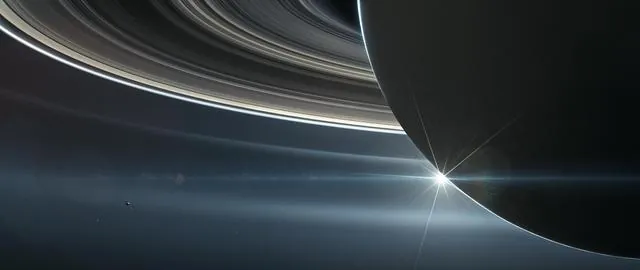
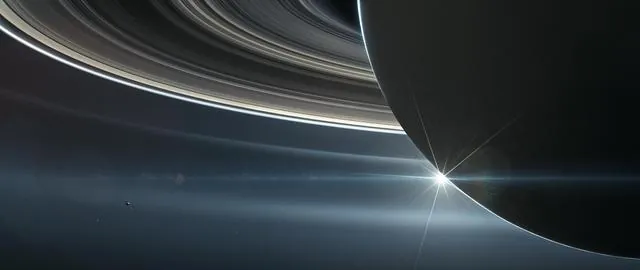
Cassini revealed the beauty of Saturn, its rings and moons, inspiring our sense of wonder and enriching our sense of place in the cosmos.
10. Much Still to Teach Us
The data returned by Cassini during its 13 years at Saturn will be studied for decades, and many new discoveries are undoubtedly waiting to be revealed. To review what we’ve already learned, visit our Cassini mission site.
Share
Details
Last Updated
Nov 05, 2024
Related Terms
Explore More
2 min read
10 Things: Movie Night
Article
13 hours ago
3 min read
What’s Up: October 2026 Skywatching Tips from NASA
Article
21 hours ago
2 min read
October’s Night Sky Notes: Spooky Stargazing
Article
4 days ago
Keep Exploring
Discover More Topics From NASA
Sun
Facts About Earth
Asteroids, Comets & Meteors
Kuiper Belt
Source: NASA Science