Author: NASA Science
-
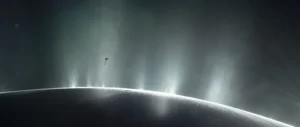
Ocean Worlds: Water in the Solar System and Beyond
The story of oceans is the story of life. Life as we know it requires three ingredients: energy, organic molecules, and liquid water. Our search for life beyond Earth is, in part, a search for planets and moons that harbor…
-
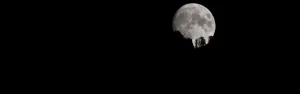
The Moon Illusion: Why Does the Moon Look So Big Sometimes?
Why does the Moon look so big when it’s rising or setting? The Moon illusion is the name for this trick our brains play on us.
-
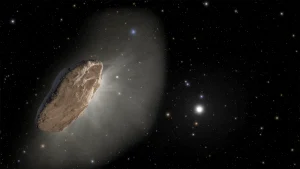
Studying the Next Interstellar Interloper with Webb
One of the most exciting findings in planetary science in recent years is the discovery of interstellar objects passing through our solar system. So far, astronomers have confirmed only two of these interlopers from other star systems — 1I/’Oumuamua in…
-
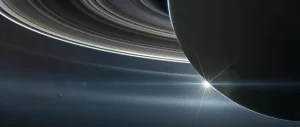
What is the North Star and How Do You Find It?
The North Star isn’t the brightest star in the sky, but it’s usually not hard to spot, even from the city. If you’re in the Northern Hemisphere, it can help you orient yourself and find your way, as it’s located…
-
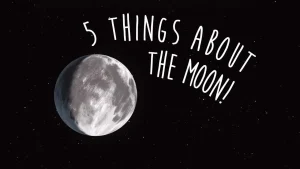
Five Things to Know about the Moon
Looking for some quick facts to impress others when you’re out enjoying a moonlit night? Well, here are five things to know about the Moon that you can share with others when you’re gazing up at our natural satellite.
-
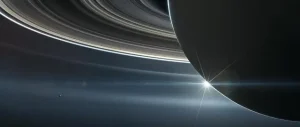
How to Find Good Places to Stargaze
If you’re hoping to do some skywatching, but you’re not quite sure how to find a great spot, we have you covered. Here are some key things to know about how to find the best places for stargazing.
-
What Are Asterisms?
There are 88 star patterns known as constellations that are recognized by astronomers and the International Astronomical Union. In addition to the star patterns within the constellations, there are a variety of other familiar patterns of stars. These are called…
-
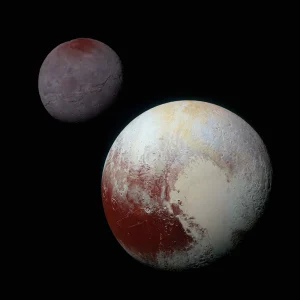
NASA’s Webb To Examine Objects in the Graveyard of the Solar System
Beyond the orbit of Neptune, a diverse collection of thousands of dwarf planets and other relatively small objects dwells in a region called the Kuiper Belt. These often-pristine leftovers from our solar system’s days of planet formation are called Kuiper…
-
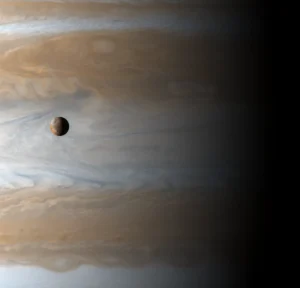
NASA’s Webb Telescope Will Study Jupiter, its Rings, and Two Intriguing Moons
Jupiter, named for the king of the ancient Roman gods, commands its own mini-version of our solar system of circling satellites; their movements convinced Galileo Galilei that Earth is not the center of the universe in the early 17th century.…
-
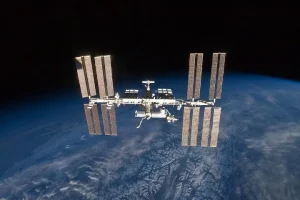
We Can See Clearly Now: ISS Window Observational Research Facility
New optical gear on the International Space Station is giving students and earth scientists a better view of our world.