Category: History
-
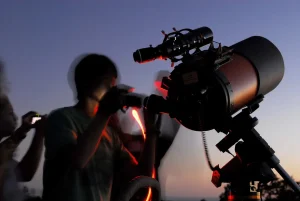
What’s Up: October 2024 Skywatching Tips from NASA
A new comet is passing through the inner solar system! Time will tell if it’s the brightest of the year, once it appears in twilight after about Oct. 14.
-
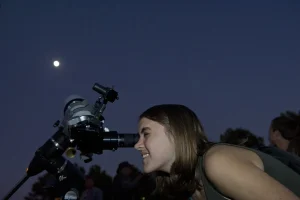
What’s Up: September 2024 Skywatching Tips from NASA
A partial lunar eclipse makes the full supermoon on Sept. 17th extra super. Also, chances to observe five planets this month, and a global night for observing.
-
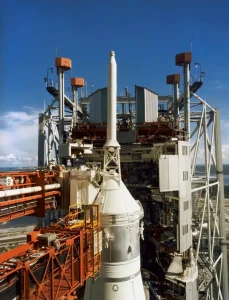
What’s Up: August 2024 Skywatching Tips from NASA
Two planets meet for a super close conjunction, the Perseid meteor shower peaks, and look for the Lagoon Nebula – a stellar nursery in Sagittarius.
-
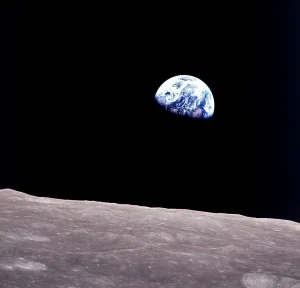
Remembering Bill Anders
Anders, 90, the astronaut who captured the iconic Earthrise photograph, died on June 7, 2024, when the plane he was piloting crashed into the San Juan Channel.
-
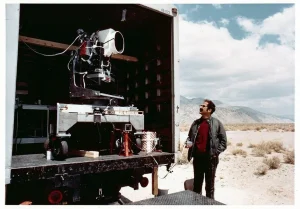
MSS You! Photos from a 1972 Road Trip
Two months before the launch of Landsat 1, the engineering model of the satellite’s multispectral scanner system went on a California road trip.
-
What’s Up: May 2024 Skywatching Tips from NASA
What to look for: Morning Meteors and May Planets See Mars, Saturn, and Mercury in the May morning sky. Antares slips behind the Moon for East Coast U.S. skywatchers. And the eta Aquariid meteors peak May 6th. Transcript What’s Up…
-
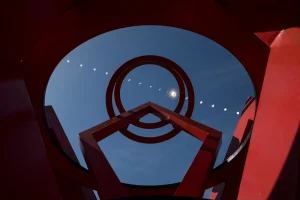
More Than 36,000 Volunteers Helped Do NASA Eclipse Science
Thank you for helping us out! Over 36,000 people helped do NASA Science during Monday’s total solar eclipse. Together, these volunteers submitted more than 60,000 vital pieces of eclipse data to NASA science projects. More than 30,000 volunteers with the…
-
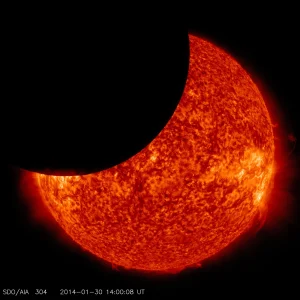
Harnessing the 2024 Eclipse for Ionospheric Discovery with HamSCI
As the total solar eclipse on April 8, 2024, draws closer, a vibrant community of enthusiastic amateur radio operators, known as “hams,” is gearing up for an exciting project with the Ham Radio Science Citizen Investigation (HamSCI) group. Our goal…
-

Scientists Pursue the Total Solar Eclipse with NASA Jet Planes
The April 8, 2024, total solar eclipse will produce stunning views across North America. While anyone along the eclipse path with a clear sky will see the spectacular event, the best view might be 50,000 feet in the air, aboard…
-
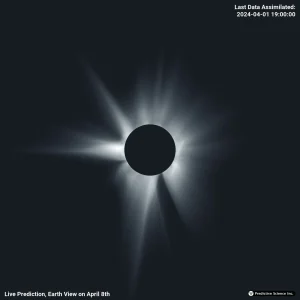
Scientists Use NASA Data to Predict Solar Corona Before Eclipse
Editor’s Note: This story was updated to correctly reference which NASA supercomputer was used. Our Sun, like many stars, is adorned with a crown. It’s called a corona (Latin for “crown” or “wreath”) and consists of long, thread-like strands of…