Tag: Astrophysics
-
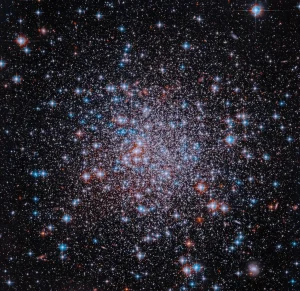
NASA’s Hubble Spies Stellar Sparkler for July 4th
Red, white, and blue stars glitter like a sparkler being waved on a dark night in this new image from NASA’s Hubble Space Telescope.
-
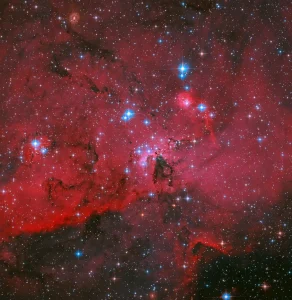
NASA’s Hubble Captures Crimson Cloud Sparkling with White, Blue Stars
Blue and white stars shine brightly against crimson gas in this image from NASA’s Hubble Space Telescope.
-
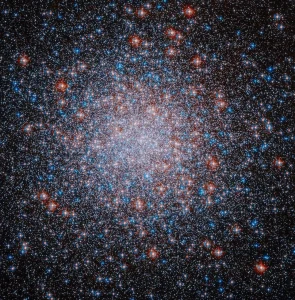
NASA’s Hubble Spots Star-Spangled Cosmic Scene
More than 500,000 stars blaze red, white, and blue in this NASA Hubble image of the globular cluster Messier 3 (M3).
-
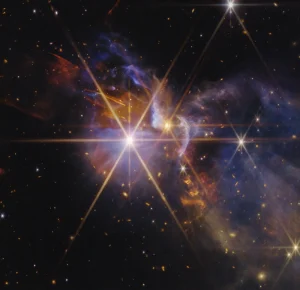
NASA’s Webb Reveals Stars Sparking to Life in Cosmic Celebration
NASA’s James Webb Space Telescope has captured the infrared light of numerous features that previously were impossible to see beyond the thick dust of the FS Tau star system. In addition to myriad background galaxies that burst into view like…
-
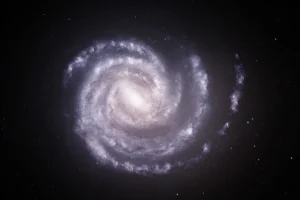
NASA’s Chandra Examines Milky Way at Arms’ Length
A new result using NASA’s Chandra X-ray Observatory shows that the outer spiral arms in the Milky Way galaxy may reach wider than previously thought. This finding may lead astronomers to adjust their understanding of our home galaxy’s structure. A…
-
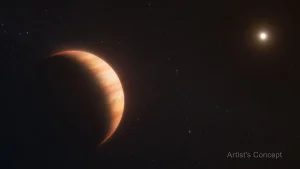
NASA’s Webb Studies How Planet Survived Death of its Star
NASA’s James Webb Space Telescope is giving us new insight into the far-future of solar systems like our own, as the agency continues to reveal the secrets of the universe and our place in it. Billions of years ago, a…
-
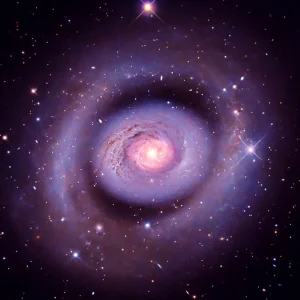
NASA’s Chandra Reveals ‘Red, White, Blue’ Universe for US 250th
In celebration of the 250th birthday of the United States, NASA has unveiled four cosmic images from its Chandra X-ray Observatory rendered in red, white, and blue that represent the wonders of the universe the agency explores. The images are…
-
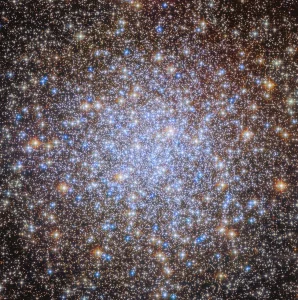
Hubble Spies Starry Chandelier
This NASA/ESA Hubble Space Telescope image features the globular cluster NGC 6723, sometimes called the Chandelier Cluster.
-
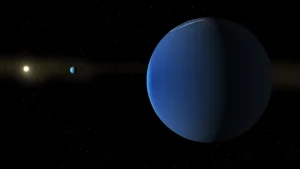
NASA’s TESS Mission Reveals the “Puffiest” Planets Ever Found
NASA has revealed two new “super-puff” planets, giant worlds so light that their density is comparable to cotton candy. Scientists calculate that these Jupiter-sized planets are the “puffiest” worlds ever found.
-
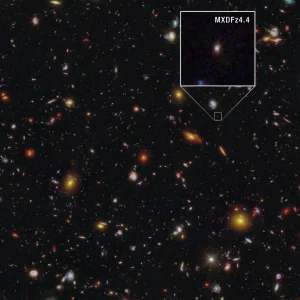
Hubble Details Early Galaxy Transforming Neighborhood
Astronomers using NASA’s Hubble Space Telescope have found something they never expected — ultraviolet light from a galaxy that existed just 1.4 billion years after the big bang.