Tag: Heliophysics Division
-
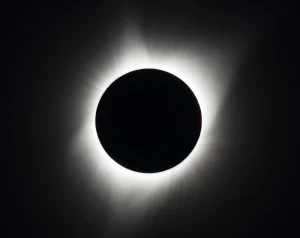
NASA-Funded Science Projects Tuning In to ‘Eclipse Radio’
On April 8, 2024, a total solar eclipse will cross parts of the United States. For millions of people along the path of totality, where the Moon will completely cover the Sun, it may feel like an eerie daytime darkness…
-

Sense the Solar Eclipse with NASA’s Eclipse Soundscapes Project
When darkness sweeps across the landscape during a total solar eclipse, unusual things start happening. Fooled by the false dusk, birds stop singing, crickets start chirping, and bees return to their hives. Reports of these atypical animal behaviors date back…
-
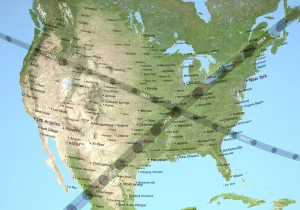
How the 2024 Total Solar Eclipse Is Different than the 2017 Eclipse
On April 8, the Moon’s shadow will sweep across the United States, as millions will view a total solar eclipse. For many, preparing for this event brings memories of the magnificent total solar eclipse on Aug. 21, 2017. In 2017,…
-
Calling all Eclipse Enthusiasts: Become a NASA Partner Eclipse Ambassador!
By Vivian White, Astronomical Society of the Pacific Are you an astronomy enthusiast or undergraduate student with a passion for sharing space science? We are excited to share with you a wonderful opportunity to become an official NASA Partner Eclipse…
-
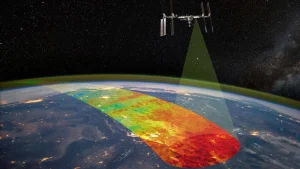
AWE Launching to Space Station to Study Atmospheric Waves via Airglow
NASA’s Atmospheric Waves Experiment, or AWE, mission is scheduled to launch to the International Space Station in November 2023, where it will make use of a natural, ethereal glow in Earth’s sky to study waves in our planet’s atmosphere. Built…
-
NASA HEAT Releases Two Eclipse-Focused MinuteEarth Videos
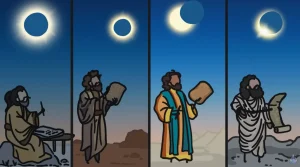
In September, 2023, the NASA Heliophysics Education Activation Team (HEAT), in partnership with Neptune Studios, released two eclipse-related videos as part of the MinuteEarth video series – short illustrated stories about science and our awesome planet. Without eclipses, our world…
-
To Study Atmosphere, NASA Rockets Will Fly into Oct. Eclipse’s Shadow
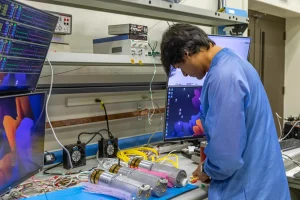
UPDATE: The three rockets comprising the APEP mission launched on Saturday, Oct. 14th at 10:00am, 10:35am, and 11:10am MT from White Sands Missile Range, and reached altitudes of 216 miles, 219 miles, and 218 miles (348 kilometers, 353 kilometers, and…