2 min read
There’s Water on the Moon?
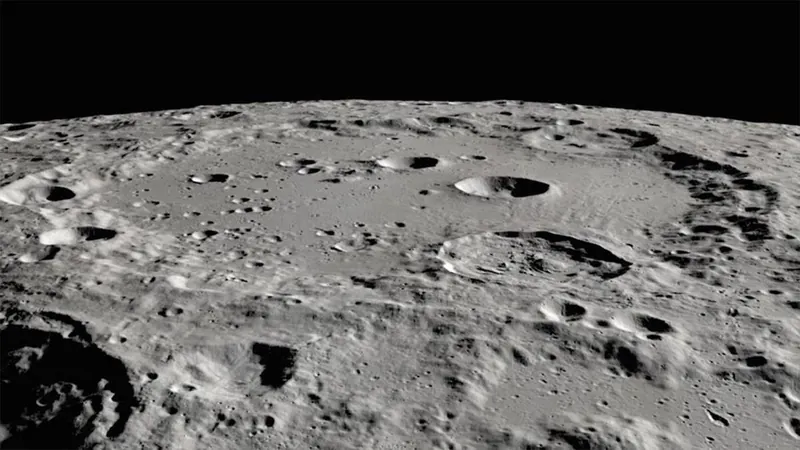
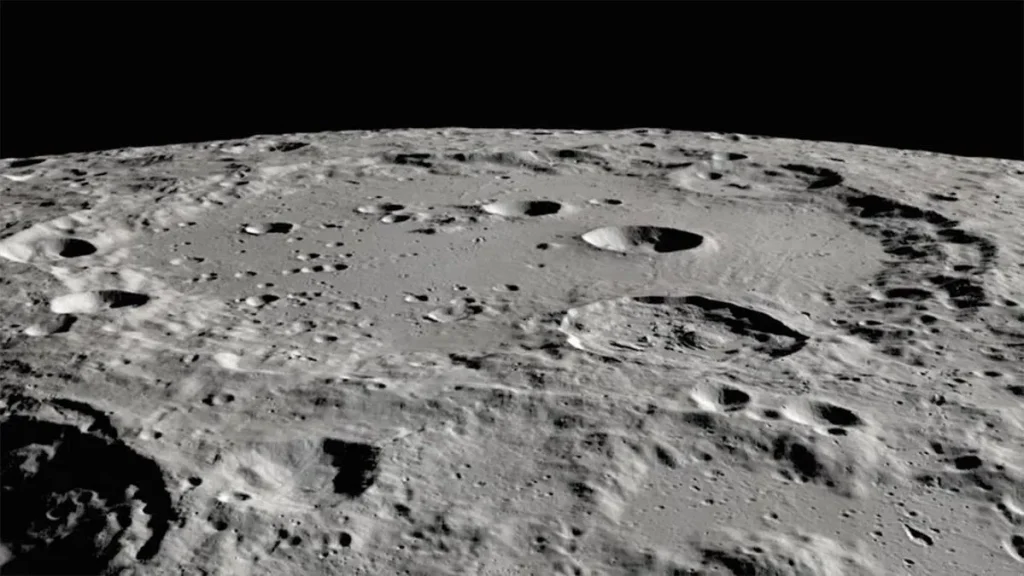
NASA recently announced that – for the first time – we’ve confirmed the water molecule, H2O, in sunlit areas of the Moon. This indicates that water is widely distributed across the lunar surface.
Did we already know water existed on the Moon?
In the late 2000s, a number of missions including the Indian Space Research Organization’s Chandrayaan-1, and NASA’s Cassini and Deep Impact detected hydration on the lunar surface – but these missions could not determine if the signals were hydroxyl (OH) or water (H2O).
During this same time period, using ultra-high-precision laboratory equipment, scientists found water molecules locked in glasses and minerals in the samples returned by the Apollo missions.
Since then, numerous missions have made similar detections, including our Lunar Reconnaissance Orbiter and LCROSS missions. The majority of signals come from permanently shadowed regions – craters at the Moon’s poles that never see sunlight. These areas are so cold that water within them gets trapped and can’t evaporate.
In 2019, data from the LADEE mission revealed that OH and/or H2O existed on the Moon, beyond the permanently shadowed regions, and is expelled through micrometeorite impacts.
What is new about the results from the SOFIA mission?
This is the first time that we’ve confirmed that the molecules on the sunlit surface of the Moon are H2O.
How much water is on the Moon?
The Moon is really dry. As a comparison, the Sahara Desert has 100 times the amount of water than what the SOFIA mission detected in the lunar soil.
What questions do we want to answer next?
This discovery challenges our understanding of how water behaves on the Moon. We thought that the water on the sunlit part of the Moon would have evaporated – but we found it! Now we will delve deeper into how this water is created and how it persists.
Molly WasserNASA’s Goddard Space Flight Center, Greenbelt, Md.
Last updated: Nov. 5, 2020
Share
Details
Last Updated
Nov 26, 2024
Related Terms
Explore More
3 min read
What’s Up: October 2026 Skywatching Tips from NASA
Article
21 hours ago
6 min read
NASA’s Moon Orbiter Spots New, ‘Once-in-Century’ Moon Crater
Article
2 weeks ago
3 min read
Celebrate International Observe the Moon Night with NASA
In April, the world watched as four humans circled the Moon for the first time…
Article
2 weeks ago
Keep Exploring
Discover More Topics From NASA
Earth
Your home. Our Mission. And the one planet that NASA studies more than any other.
Eclipses
Lunar Discovery and Exploration
Skywatching
Source: NASA Science