Tag: Planetary Science Division
-
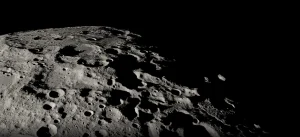
NASA Selects 2 Instruments for Artemis IV Lunar Surface Science
NASA has selected two science instruments designed for astronauts to deploy on the surface of the Moon during the Artemis IV mission to the lunar south polar region. The instruments will improve our knowledge of the lunar environment to support…
-
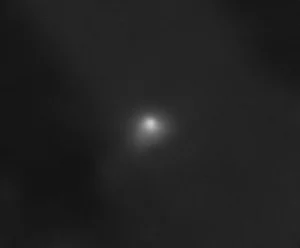
View Interstellar Comet 3I/ATLAS Through NASA’s Multiple Lenses
This article was updated to include the full range of dates from the SOHO image. Lee esta historia en español aquí. NASA is in the midst of an unprecedented solar system-wide observation campaign, turning its spacecraft and space telescopes to…
-
Join NASA on Oct. 4 in Looking Up, Celebrating Moon
Join observers from around the world on Saturday, Oct. 4, for NASA’s International Observe the Moon Night. This annual event offers an opportunity for earthlings to celebrate the inspiring bond between Earth and the Moon, and, this year, to share…
-
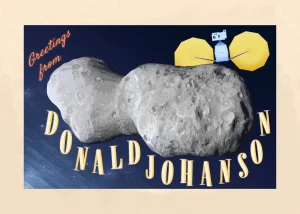
Regions on Asteroid Explored by NASA’s Lucy Mission Get Official Names
The IAU (International Astronomical Union), a global naming authority for celestial objects, has approved official names for features on Donaldjohanson, an asteroid NASA’s Lucy spacecraft visited on April 20.
-
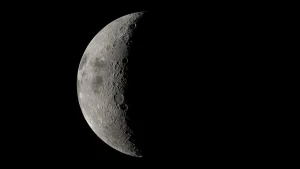
NASA’s Artemis II Lunar Science Operations to Inform Future Missions
While the Artemis II crew will be the first humans to test NASA’s Orion spacecraft in space, they will also conduct science investigations that will inform future deep space missions, including a lunar science investigation as Orion flies about 4,000…
-
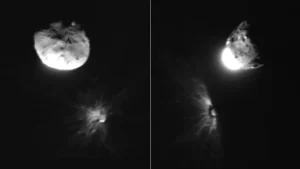
Close-Up Views of NASA’s DART Impact to Inform Planetary Defense
On Sept. 11, 2022, engineers at a flight control center in Turin, Italy, sent a radio signal into deep space. Its destination was NASA’s DART (Double Asteroid Redirection Test) spacecraft, which was flying toward an asteroid more than 5 million…
-
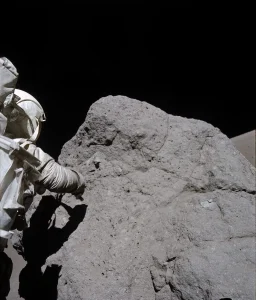
NASA’s Apollo Samples, LRO Help Scientists Forecast Moonquakes
Moonquakes pose little risk to astronauts during a mission lasting just a few days. But their effects on longer-term lunar surface assets could be significant.
-
Percolating Clues: NASA Models New Way to Build Planetary Cores
A new NASA study reveals a surprising way planetary cores may have formed—one that could reshape how scientists understand the early evolution of rocky planets like Mars. Conducted by a team of early-career scientists and long-time researchers across the Astromaterials…
-
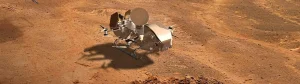
NASA’s Dragonfly Mission Sets Sights on Titan’s Mysteries
When it descends through the thick golden haze on Saturn’s moon Titan, NASA’s Dragonfly rotorcraft will find eerily familiar terrain. Dunes wrap around Titan’s equator. Clouds drift across its skies. Rain drizzles. Rivers flow, forming canyons, lakes and seas. But…
-
Can Solar Wind Make Water on Moon? NASA Experiment Shows Maybe
Scientists have hypothesized since the 1960s that the Sun is a source of ingredients that form water on the Moon. When a stream of charged particles known as the solar wind smashes into the lunar surface, the idea goes, it…